The Etruscan grape seeds
The origins of viticulture
New research conducted in the woodlands of Badia a Coltibuono, within the municipality of Gaiole in Chianti, is reshaping the history of viticulture in the Chianti area. Evidence uncovered at the Etruscan-Roman archaeological site of Cetamura indicates that grapevines were already present here more than 2,300 years ago.
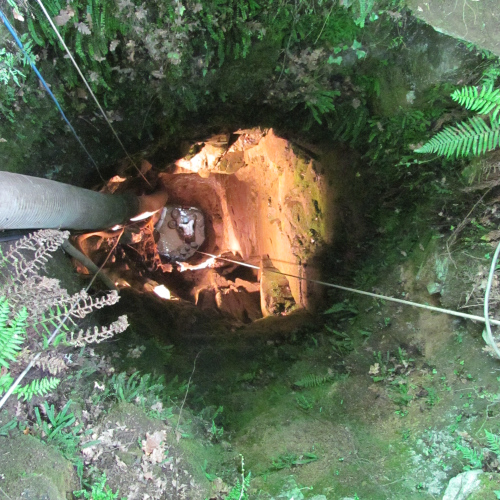
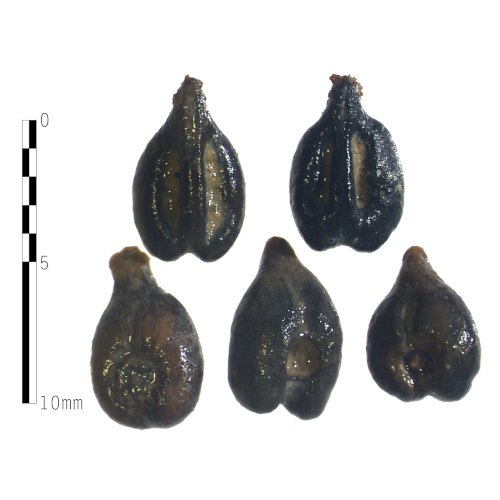
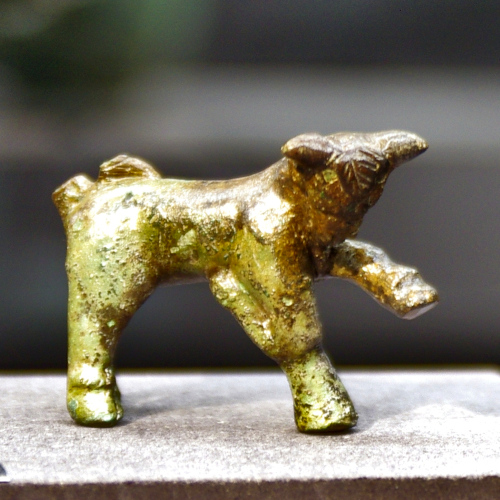
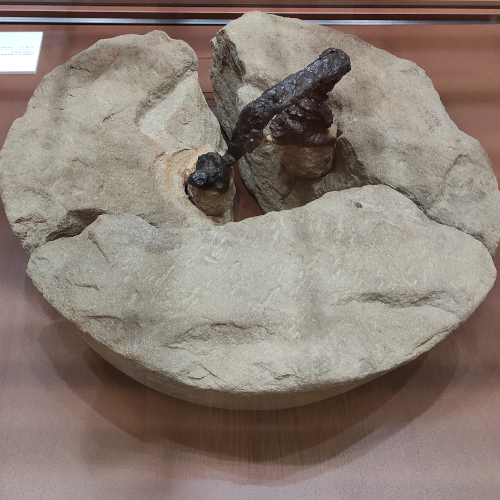
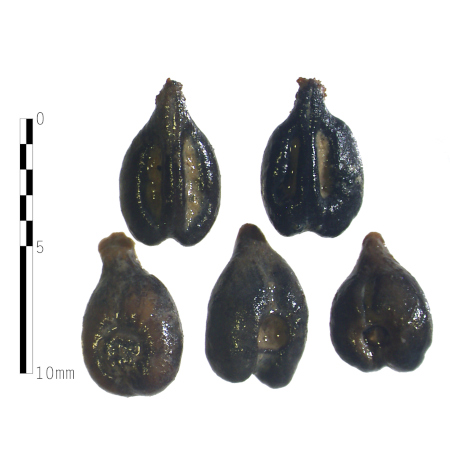
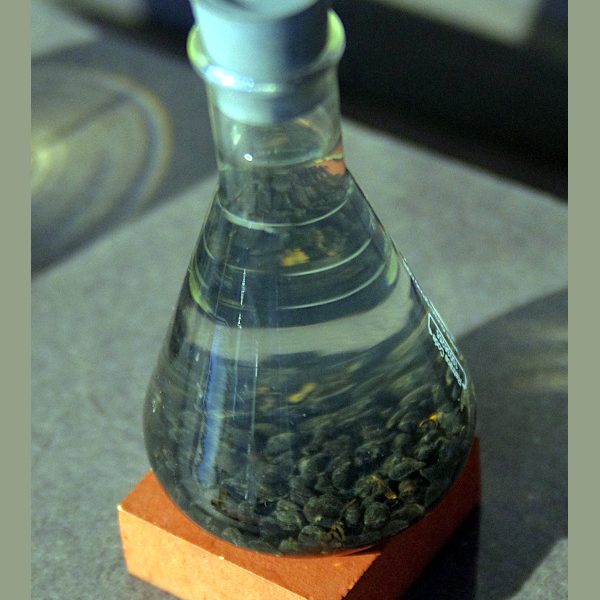
For more than fifty years, archaeologists from Florida State University, led by Nancy de Grummond, have been excavating the site. Between 2012 and 2016, numerous exceptionally well-preserved grape seeds were recovered from the deepest layers of Etruscan wells. These seeds were likely deposited as part of votive rituals. The discovery pushes documented evidence of local viticulture back at least to the third century BCE.
Genetic analyses conducted by University of York are yielding particularly significant results.
Advanced agronomic knowledge
The studies have shown that the same white grape variety was cultivated and used for winemaking over several consecutive centuries, from the Etruscan period through the Roman era.
The findings also confirm the use of vegetative propagation, the same technique still employed today to reproduce grapevines through cuttings. This provides evidence of advanced viticultural knowledge already in existence during Etruscan times. The analyses further revealed a clear predominance of white grape varieties, although some red grape varieties were also present.
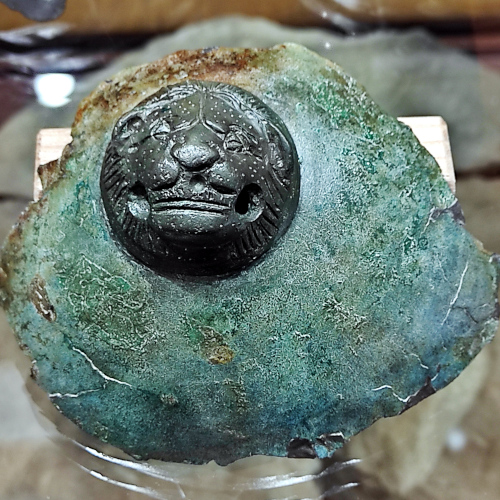
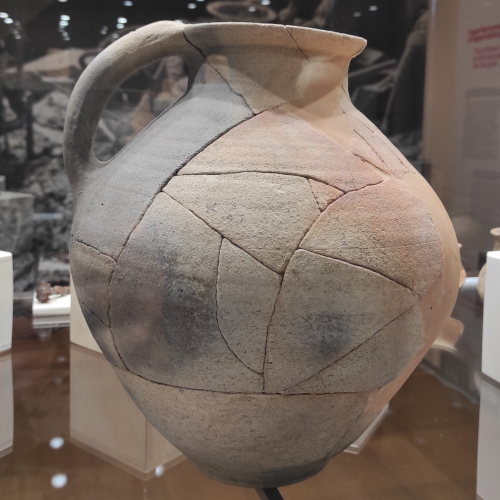
The discovery holds special significance for the territory of Gaiole in Chianti and for its archaeological museum, Chianti Origo, where the artifacts recovered from the excavations are preserved. The Mayor of Gaiole in Chianti has highlighted the cultural and historical importance of this research, which strengthens the connection between the area and a winemaking tradition spanning millennia.
The Stucchi Prinetti Family, owners of the woodlands of Badia a Coltibuono and longstanding supporters of the excavations, have likewise emphasized the importance of findings that link the estate’s history to the earliest roots of Chianti viticulture.
This heritage was preserved through the centuries by the Vallombrosan Order and has endured to the present day through a form of viticulture deeply rooted in the local landscape.
Should ongoing research confirm a genetic relationship between the ancient grape variety identified at Cetamura and grape varieties that still exist today, the implications would be of international significance.
Badia a Coltibuono could become the center of a unique project: bringing back to life the grapevine that grew on these hills more than two thousand years ago, long before the rise of Sangiovese as the defining grape of the region.
This would represent far more than the reconstruction of a chapter of history.
It would offer an opportunity to restore a part of Chianti’s deepest identity, transforming an extraordinary archaeological discovery into a tangible viticultural renaissance. In this endeavor, Badia a Coltibuono would not merely serve as the custodian of the memory of these lands, but as a leading force in shaping their future.