The Chianti Classico tradition
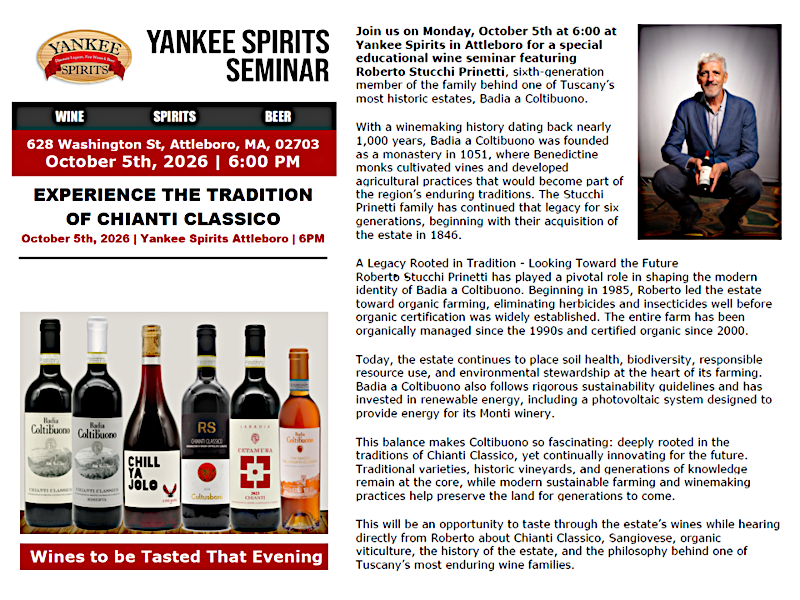
Yankee Spirits Seminar
A special educational wine seminar will be held on October 5th at Yankee Spirits in Attleboro, USA, featuring Roberto Stucchi Prinetti, a sixth-generation member of the family leading one of Tuscany’s oldest estates, Badia a Coltibuono.
A selection of the estate’s wines will be tasted during the evening.
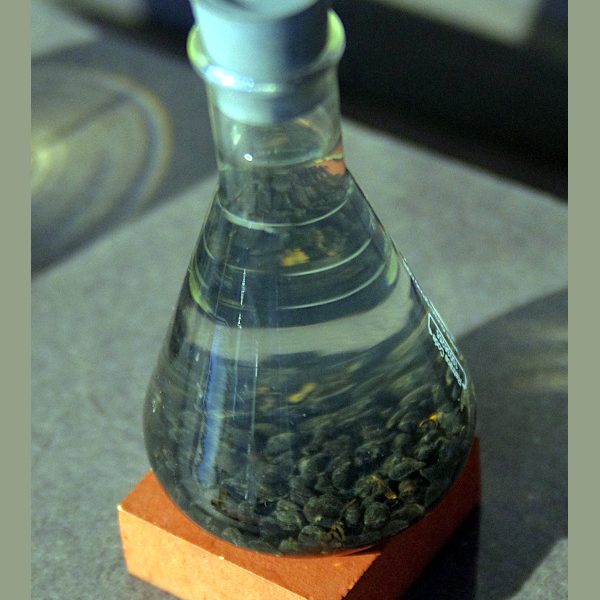
The Etruscan grape seeds
The origins of viticulture
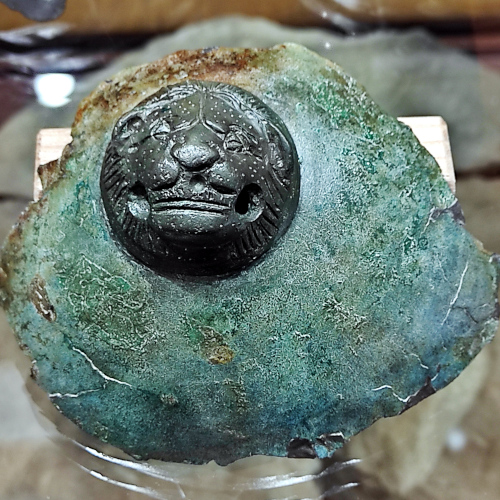
New research conducted in the woodlands of Badia a Coltibuono, within the municipality of Gaiole in Chianti, is reshaping the history of viticulture in the Chianti area. Evidence uncovered at the Etruscan-Roman archaeological site of Cetamura indicates that grapevines were already present here more than 2,300 years ago.
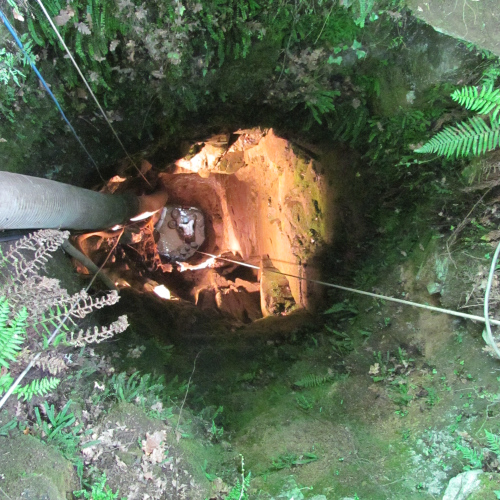
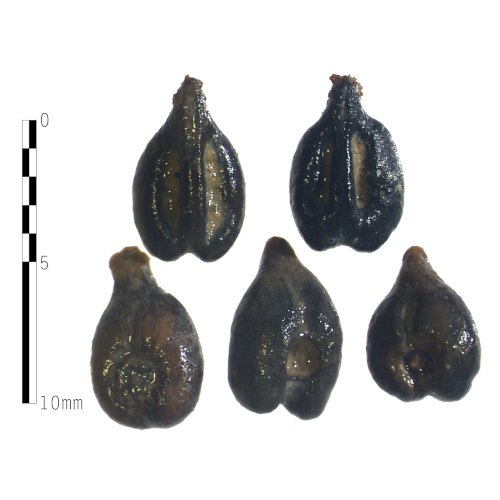
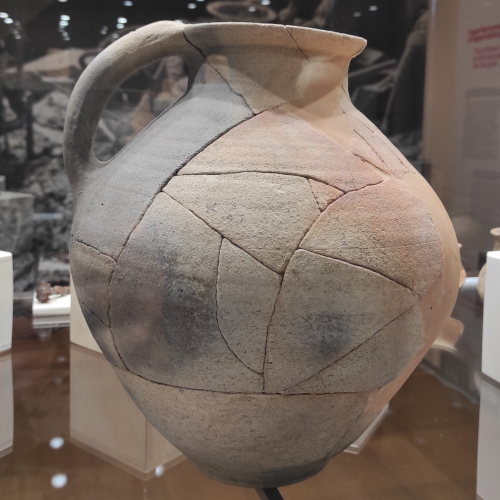
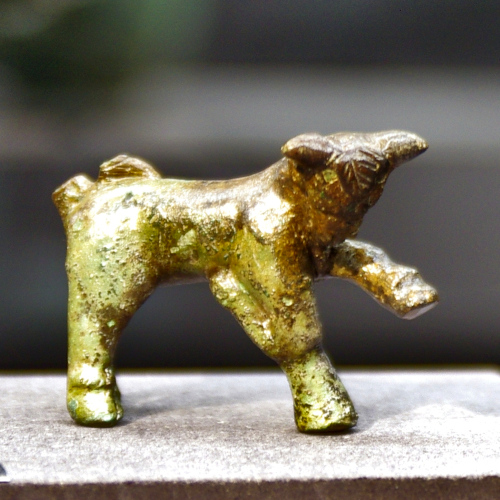
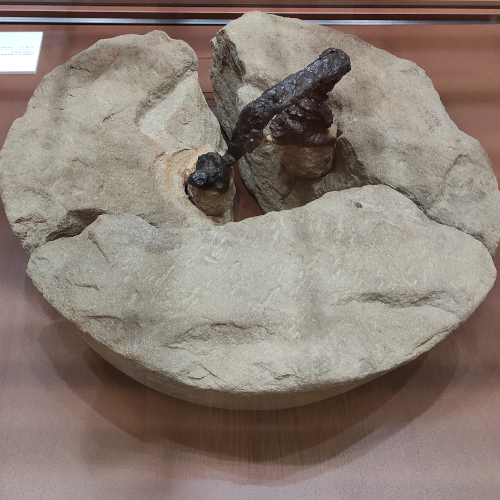
For more than fifty years, archaeologists from Florida State University, led by Nancy de Grummond, have been excavating the site. Between 2012 and 2016, numerous exceptionally well-preserved grape seeds were recovered from the deepest layers of Etruscan wells. These seeds were likely deposited as part of votive rituals. The discovery pushes documented evidence of local viticulture back at least to the third century BCE.
Genetic analyses conducted by University of York are yielding particularly significant results.
Advanced agronomic knowledge
The studies have shown that the same white grape variety was cultivated and used for winemaking over several consecutive centuries, from the Etruscan period through the Roman era.
The findings also confirm the use of vegetative propagation, the same technique still employed today to reproduce grapevines through cuttings. This provides evidence of advanced viticultural knowledge already in existence during Etruscan times. The analyses further revealed a clear predominance of white grape varieties, although some red grape varieties were also present.
The discovery holds special significance for the territory of Gaiole in Chianti and for its archaeological museum, Chianti Origo, where the artifacts recovered from the excavations are preserved. The Mayor of Gaiole in Chianti has highlighted the cultural and historical importance of this research, which strengthens the connection between the area and a winemaking tradition spanning millennia.
The Stucchi Prinetti Family, owners of the woodlands of Badia a Coltibuono and longstanding supporters of the excavations, have likewise emphasized the importance of findings that link the estate’s history to the earliest roots of Chianti viticulture.
This heritage was preserved through the centuries by the Vallombrosan Order and has endured to the present day through a form of viticulture deeply rooted in the local landscape.
Should ongoing research confirm a genetic relationship between the ancient grape variety identified at Cetamura and grape varieties that still exist today, the implications would be of international significance.
Badia a Coltibuono could become the center of a unique project: bringing back to life the grapevine that grew on these hills more than two thousand years ago, long before the rise of Sangiovese as the defining grape of the region.
This would represent far more than the reconstruction of a chapter of history.
It would offer an opportunity to restore a part of Chianti’s deepest identity, transforming an extraordinary archaeological discovery into a tangible viticultural renaissance. In this endeavor, Badia a Coltibuono would not merely serve as the custodian of the memory of these lands, but as a leading force in shaping their future.
Open day in Coltibuono
Open doors
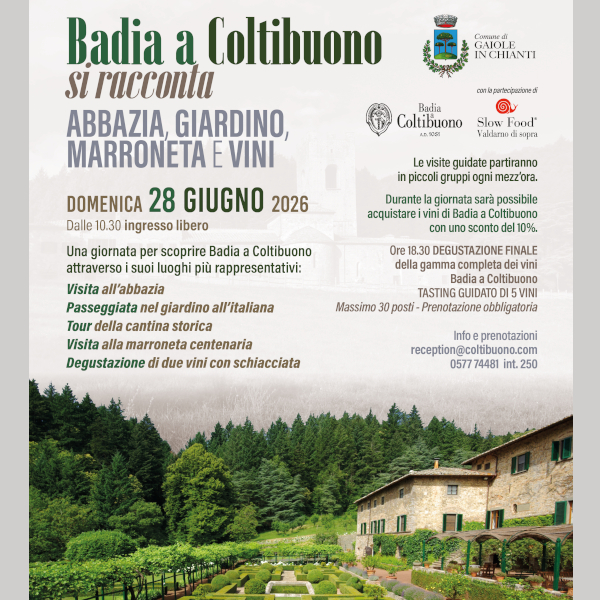
From 10:30 a.m. to 6:30 p.m., Badia a Coltibuono will be open to the public with a program of dedicated tours and experiences.
From 10:30 a.m., guided tours lasting approximately 30 minutes will begin, with small groups departing every half hour. The tour includes a visit to the cellar, refectory, and garden.
La Marroneta will be open to guests for the entire duration of the event.
A tasting area will be available in the Italian garden, where guests can sample a selection of schiacciata and focaccia along with a tasting of Badia a Coltibuono wines.
For the entire duration of the event, a 10% discount on the purchase of our wines will be available.
At the end of the guided tour, guests will be free to roam the courtyard, garden, and refectory, exploring the spaces independently and continuing their tasting or simply enjoying the atmosphere of the day.
At 6:30 PM, a final tasting (reservation required) with a guided tasting of five wines, open to a maximum of 30 people.
Info and reservations: reception@coltibuono.com – tel. 0577 74481 ext. 250
Badia a Coltibuono is one of the most representative estates of Chianti Classico. Founded in 1051 by Vallombrosan monks, over the centuries it became an important hub for the area’s agricultural activity, with a particular focus on grapevines and olives.
After the Napoleonic suppressions, the ancient abbey and its surrounding estates were purchased in 1846 by the Giuntini family, ancestors of the current owners, Stucchi Prinetti. Since then, Badia a Coltibuono has continued to develop its agricultural, winemaking, and cultural vocation, contributing to the promotion of Chianti Classico in Italy and around the world.
Wine Paris
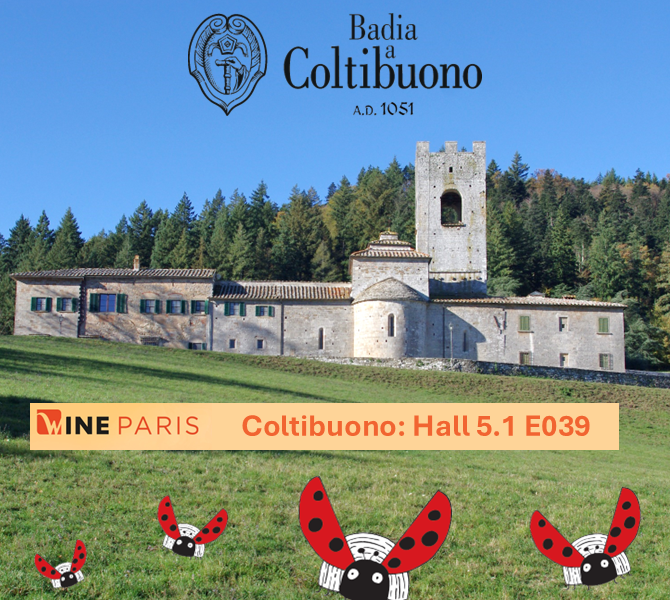
Meeting in Paris
Almost there! Very soon you will be able to experience the aromas and emotions evoked by the wines of Badia a Coltibuono in the shadow of the Eiffel Tower.
We look forward to seeing you at Wine Paris, Hall 5.1, stand E039
Chronicles from the cellar
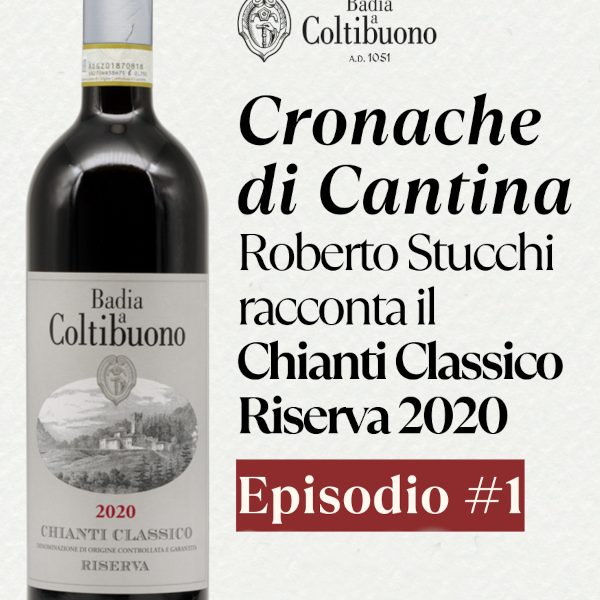
The essence of Badia a Coltibuono
Roberto Stucchi tells the story of a wine that symbolizes the excellence of Chianti Classico.
The Badia Diaries
The Origins
Discovering the secrets of a historic Chianti Classico farm
Under the snow
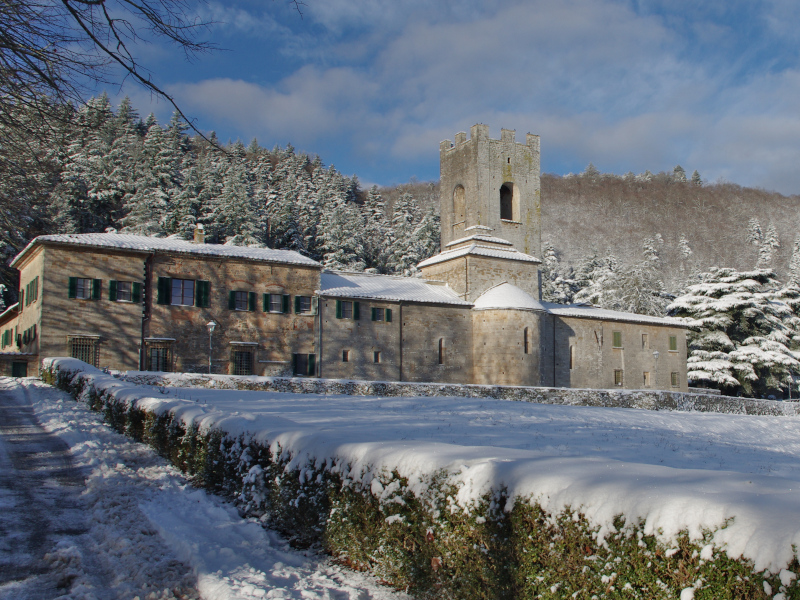
Winter in Chianti
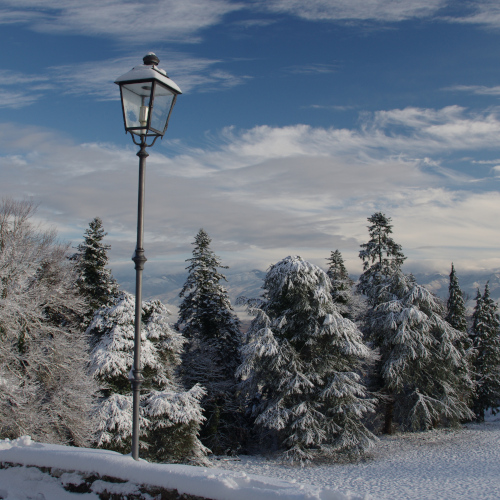
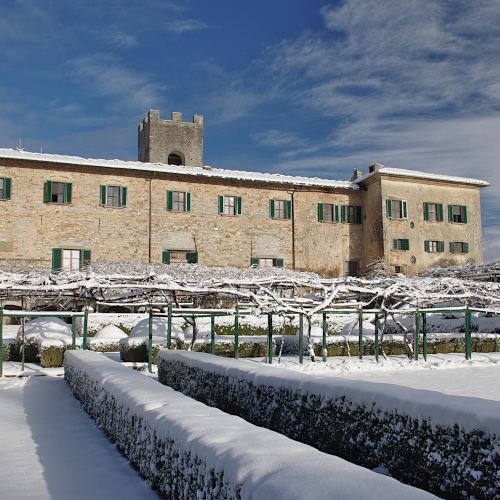
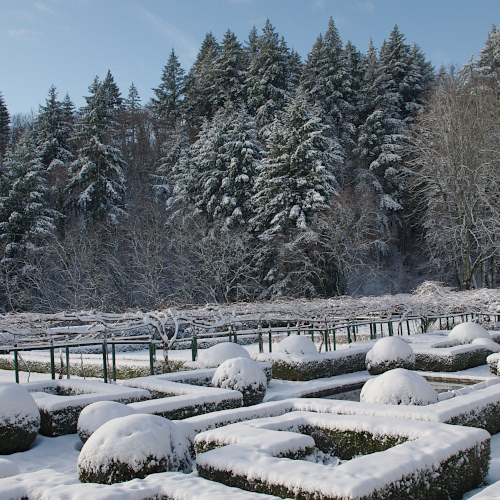
When a blanket of white covers the Chianti hills, it feels like a fairytale landscape. Badia a Coltibuono’s 2026 begins with a blanket of pure white snow.
Tre Impronte
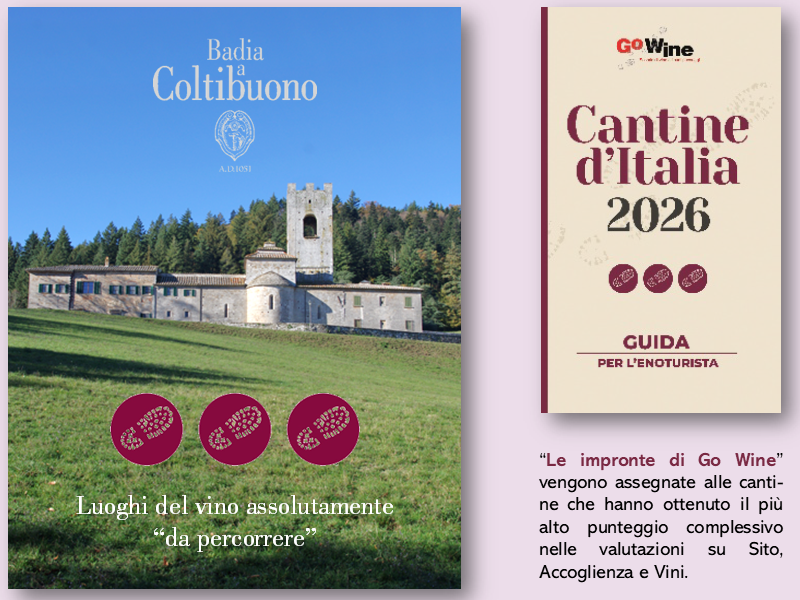
Cantine d'Italia 2026
Go Wine has awarded the “Three Imprints” to Badia a Coltibuono in the Wineries of Italy 2026 guide.
Go Wine’s “Imprints” are assigned to the wineries that achieve the highest overall score in the evaluations of Location, Hospitality, and Wines.
The presentation will take place in Milan, at the Melià Hotel, on November 29.
We look forward to seeing you there.
Territory, agriculture, environment
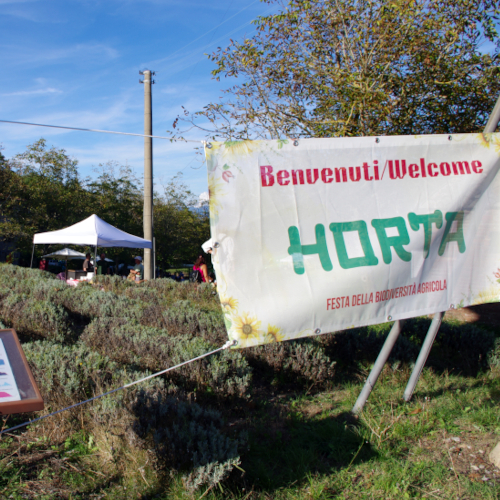
Horta, the agricultural biodiversity festival, a great success.
A great start!
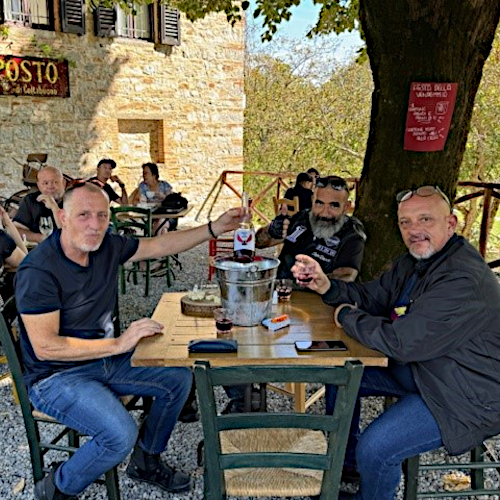
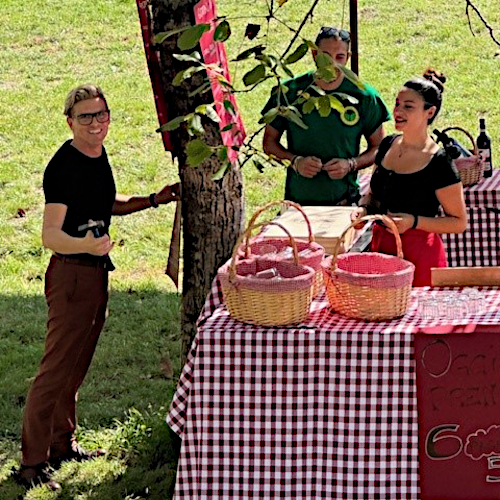
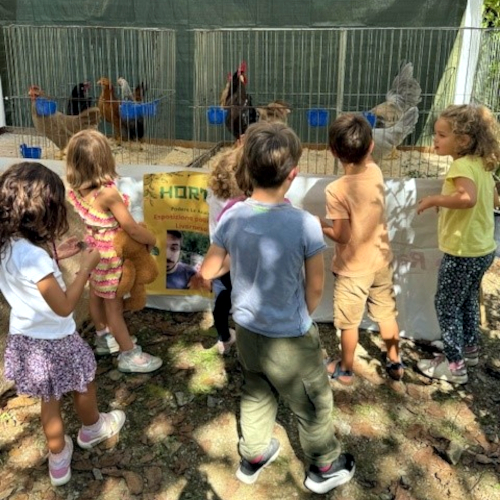
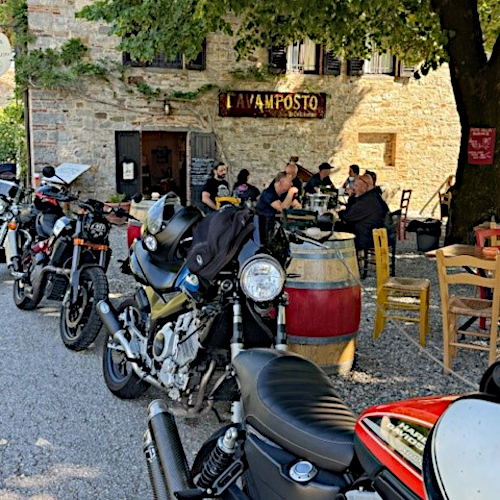
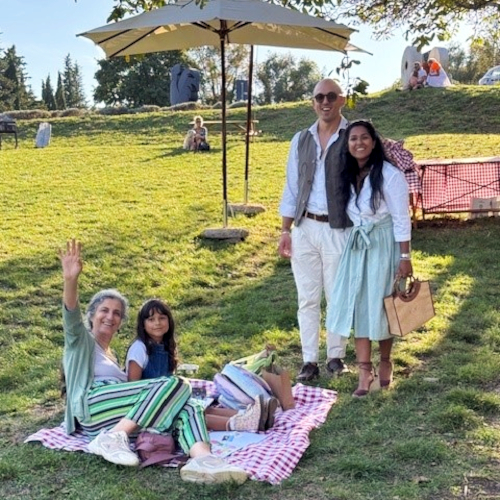
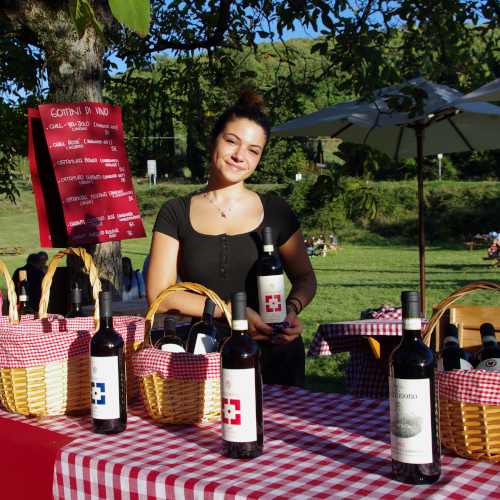
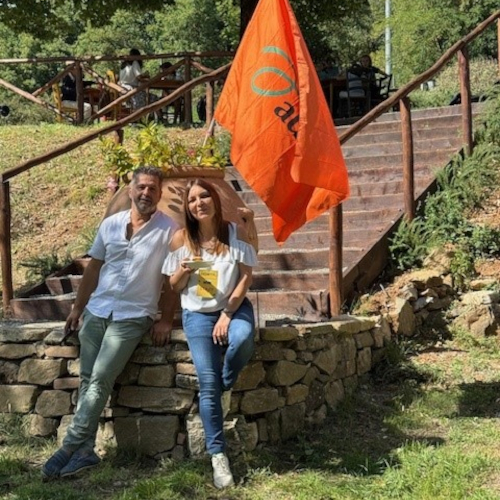
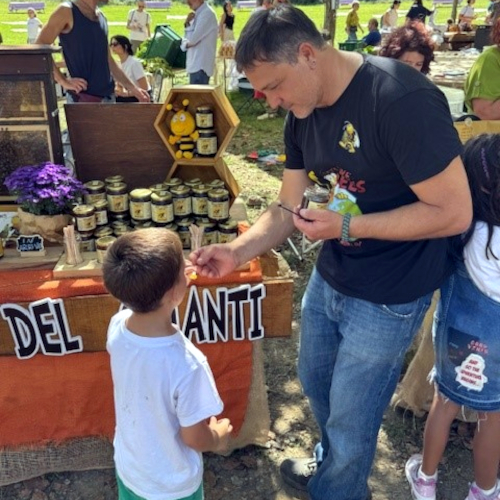
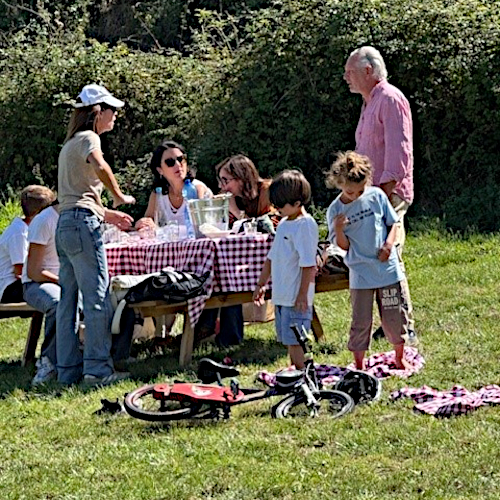
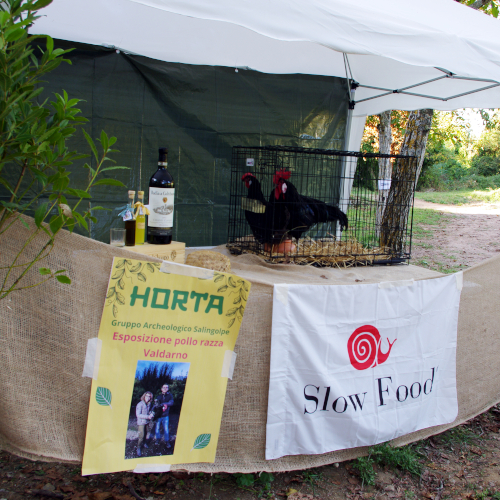
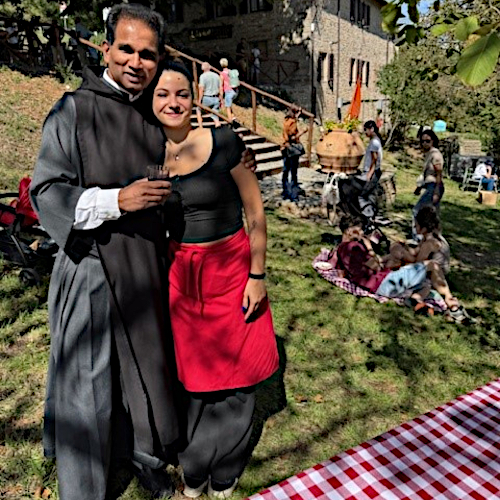
Horta, the Festival of Agricultural Biodiversity, was enthusiastically welcomed by hundreds of people who gathered in the large meadow of L’Avamposto at Badia a Coltibuono, where stalls of local producers, children’s games, and food stands had been set up. The event also featured moments of reflection and dialogue on the importance of safeguarding biodiversity, alternating with excursions and recreational activities.
In ancient Rome—and even earlier among the Etruscans—Horta was considered a protective deity of cultivated fields. It may well have been worshipped in the Etrusco-Roman settlement of Cetamura, located in the woods of Badia a Coltibuono.
This festival was an opportunity to reconnect with the deep roots of the relationship between humankind and nature.
The success of the initiative rewards the efforts of the Radici del Chianti Association which, in collaboration with the Philharmonic Society of Gaiole and the association La Racchetta, organized Horta to raise public awareness on a highly relevant issue: the protection of animal and plant heritage through sustainable practices that preserve environmental balance. These are themes deeply embedded in the historical legacy of Badia a Coltibuono.
The festival was sponsored by the municipalities of Gaiole in Chianti, Castelnuovo Berardenga, Greve in Chianti, and Cavriglia.
From Badia a Coltibuono, heartfelt thanks go to the organizers and participants of this first edition of Horta.
“I Dance Stealing” turns 30
A tribute to a cult film, to Tuscany, and... to Badia a Coltibuono
Thirty years ago, Bernardo Bertolucci offered the world a sensual, delicate, and profound glimpse into Tuscany and adolescence withStealing Beauty (Io ballo da sola). Rolling hills, cypress trees, olive groves, and vineyards became the backdrop—and symbol—of freedom, discovery, and desire in a film that has left a lasting mark on the collective imagination. In the golden light of Chianti Classico, among Renaissance villas and age-old silences, a new icon was born: Liv Tyler.
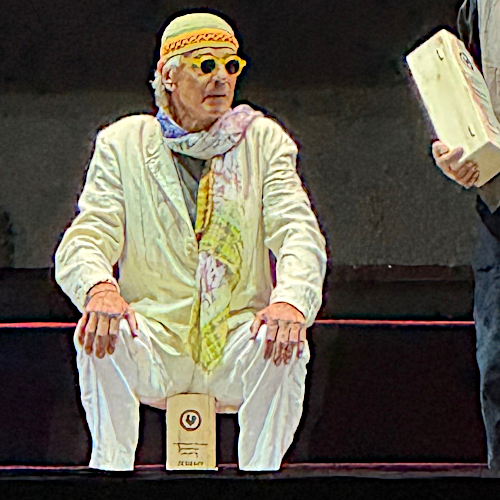
To honor this masterpiece, a special screening was held in Piazza del Campo, in Siena, at the heart of a region now a candidate for UNESCO World Heritage status. On stage, alongside the director and the audience, stood Academy Award-winning actor Jeremy Irons, one of the film’s stars, who fondly recalled his connection to Tuscany:
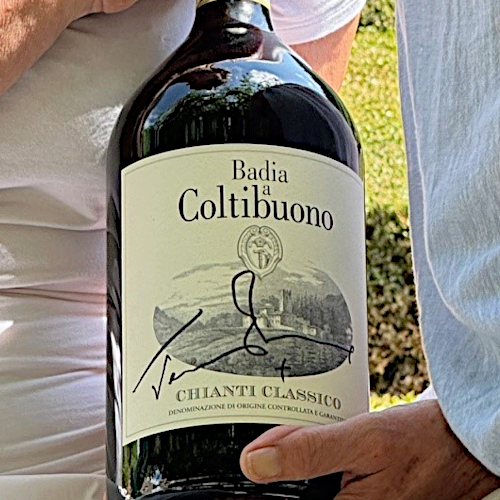
“It’s one of the most beautiful places in the world: mild climate, great cuisine, extraordinary wines. I drink Italian wine—often Chianti Classico. And among the labels I love, of course, is Badia a Coltibuono.“
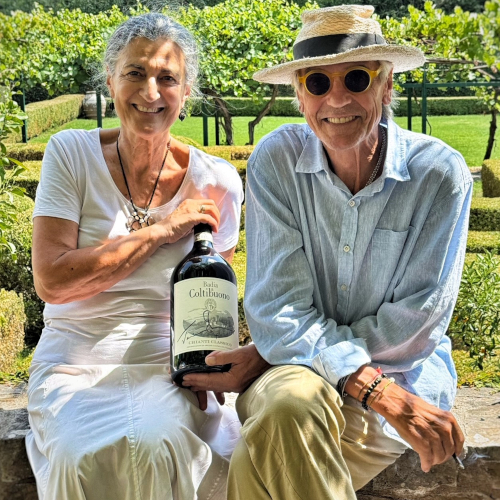
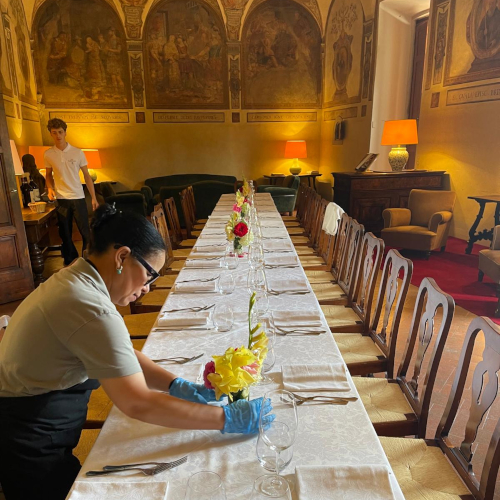
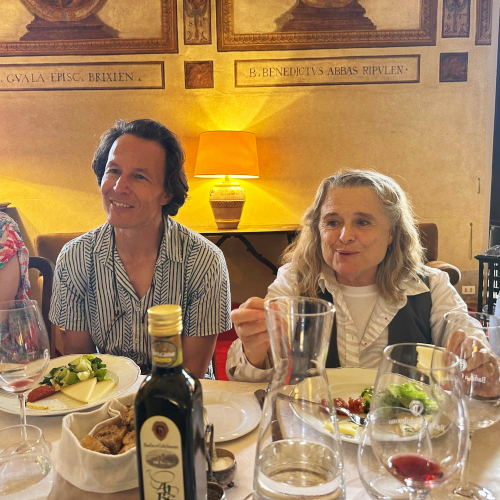
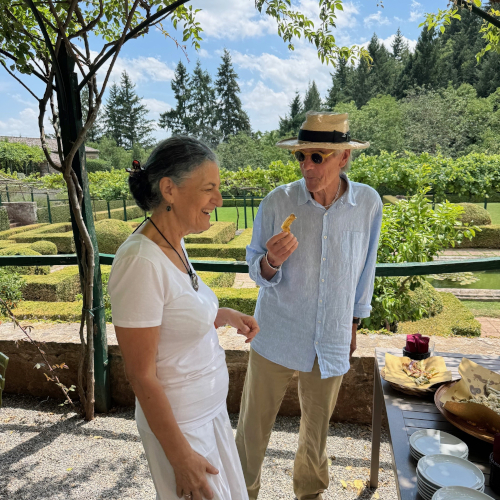
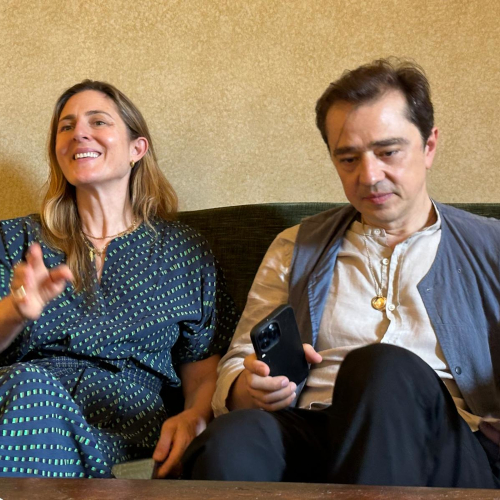
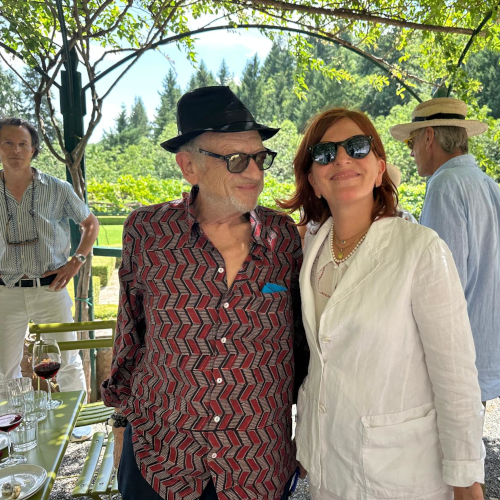
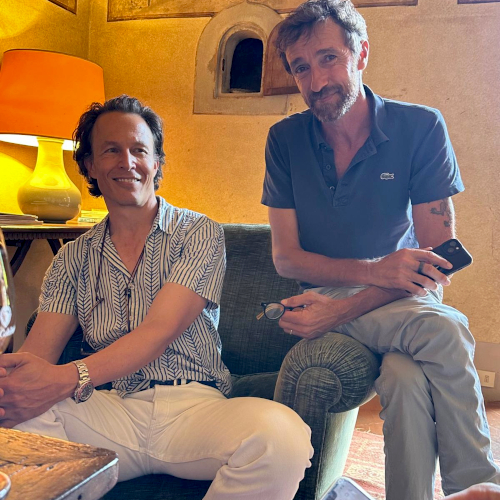
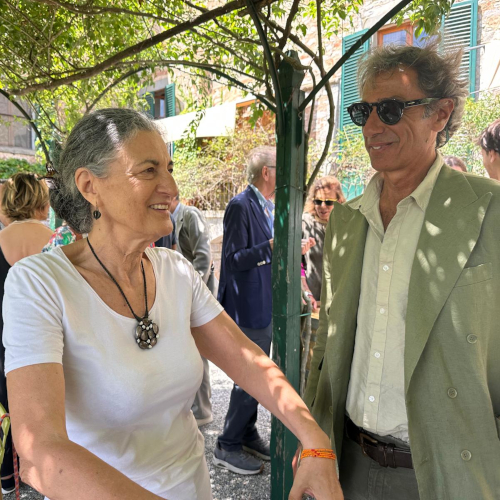
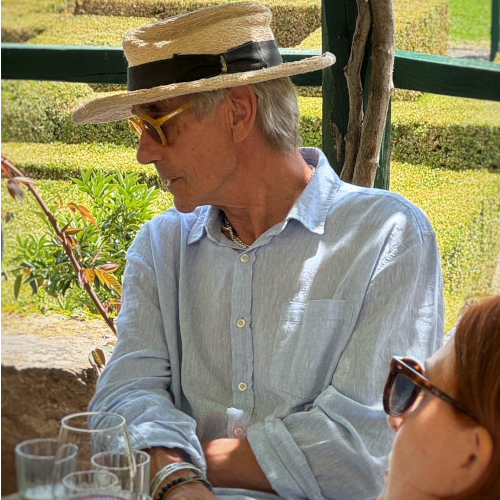
On the day of the screening, Jeremy Irons, accompanied by his wife Sinéad Cusack, returned to Badia a Coltibuono, where he was warmly welcomed by Emanuela Stucchi Prinetti, with whom he shares a long-standing friendship. A simple family lunch within the ancient walls of the Abbey renewed an affectionate and authentic bond, built on mutual respect, admiration, and shared memories. The convivial gathering also included actors Roberto Zibetti and Ignazio Oliva, producer Jeremy Thomas, Valentina Ricciardelli of the Bernardo Bertolucci Foundation, and Cosima Spender with Valerio Bonelli.
An unexpected declaration of love and a visit that deeply honors us. Because wine—when it is born from a genuine place, from a millenary history and a cultural vision—has the power to transcend time, the screen, and the heart.