
Wine and sustainability
The B-Wine project
Badia a Coltibuono took part in the B-Wine project, promoted by the National Research Council (CNR), aimed at assessing the effectiveness of biochar in vineyard management.
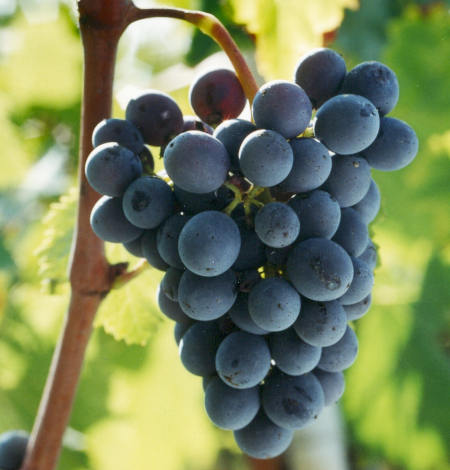
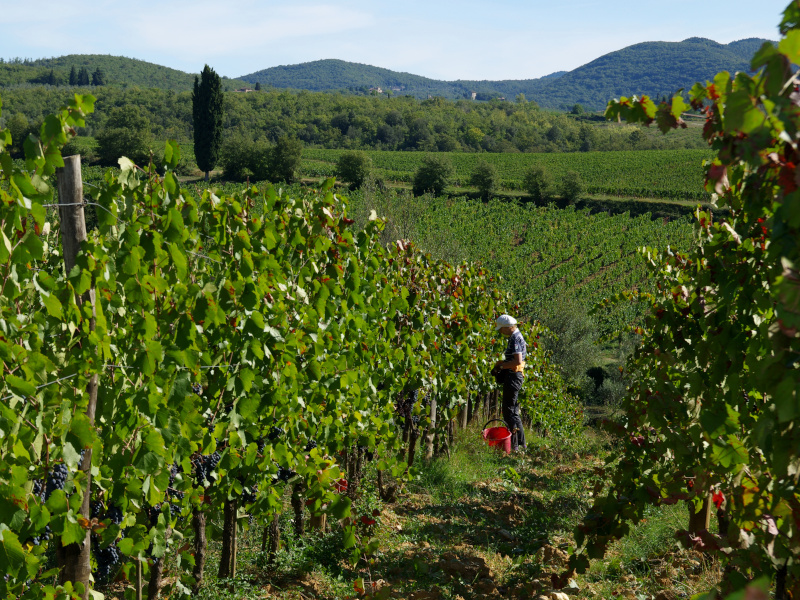
“Our vineyard,” explains Roberto Stucchi Prinetti, “served as a living laboratory. Three years ago, we opened our rows to CNR researchers, who incorporated biochar into the soil of one of our plots. The results have just been published in the scientific journal Land: the treated vines maintained a significantly better water status during the driest months, with per-plant yields nearly double those of the control.
This is not magic. It is soil that retains water when water is scarce.
The study, conducted together with Corzano e Paterno and Fèlsina as part of the CNR’s B-Wine project, and supported by the Chianti Biodistrict as a coordinating body between the farms and the research group, confirms that soil management is the most concrete response we have to climate change in vineyards. It also confirms something that organic growers have long intuited: caring for the soil is not a trade-off with productivity. It is the very condition for achieving it—alongside quality.
A piece of research born here, on these soils, with these vines. We will continue to look in that direction.”
Further information on the B-Wine project: